Weekly Meal Plan for Weight Loss: How to Build Yours
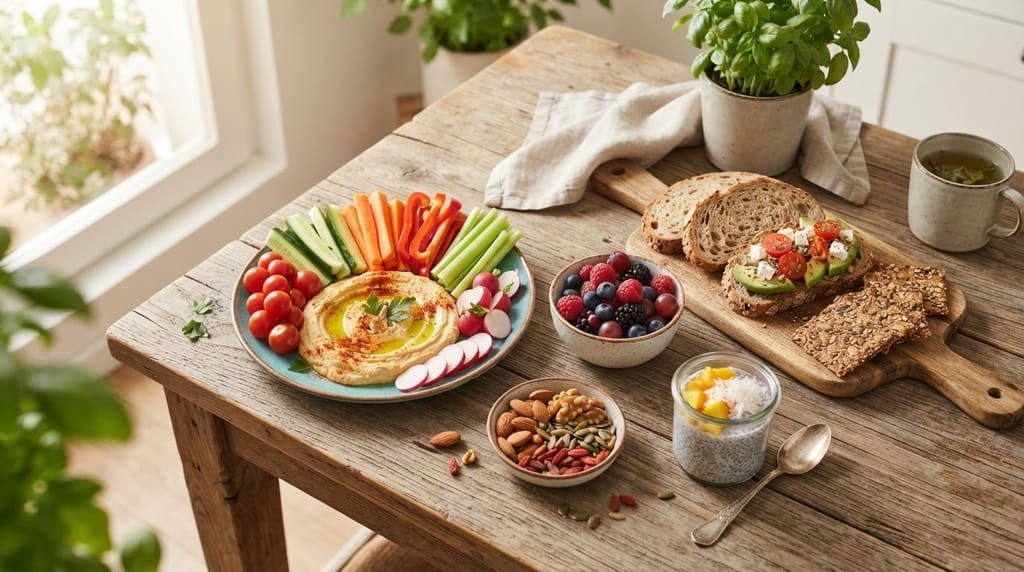
A weekly meal plan for weight loss takes five steps: set your calories, anchor protein, repeat a few meals, prep in batches, and keep room for real life.
Why plan the week
Most diets fail at the moment you are hungry and have nothing ready. A plan removes that decision. When you already know what you are eating on Tuesday evening, you are far less likely to order takeaway or skip a meal and overeat later. Planning also saves money, because you buy only what the plan needs.
Step 1: Set your daily calories
Weight loss needs a calorie deficit. A common, sustainable approach is to eat about 15 to 25 percent below maintenance, which usually means losing about 0.5 to 1 percent of your body weight per week. Start by finding your maintenance with how to calculate your daily calorie needs, then read how many calories you should eat to lose weight. Do not go too low: very aggressive deficits are hard to sustain and can cost muscle.
Step 2: Anchor every meal with protein
Protein keeps you full and helps you keep muscle while you lose fat. Aim for about 1.6 to 2.2 grams per kilogram of body weight, spread over three or four meals of roughly 25 to 40 grams. Build each meal around a protein source first, then add vegetables and carbs. The high protein foods list will help you choose.
Step 3: Repeat a few meals
You do not need 21 different meals. Choose two or three breakfasts, three or four lunches and dinners, and two snacks, then rotate them. Repetition makes shopping, cooking and calorie counting simple. Add variety with sauces, spices and different vegetables.
Step 4: A sample day at about 1,550 calories
This is an example, not a prescription. Portions and numbers are approximate.
- Breakfast, about 400 calories: 3 eggs scrambled with spinach, one slice of whole grain toast and a piece of fruit.
- Lunch, about 450 calories: 120 g of grilled chicken breast, 150 g of cooked rice, and a large salad with 1 teaspoon of olive oil.
- Snack, about 200 calories: 200 g of plain Greek yoghurt with berries and a teaspoon of honey.
- Dinner, about 500 calories: 150 g of baked salmon, roasted vegetables and 150 g of potatoes.
For more ideas see healthy dinner ideas under 500 calories, healthy snacks under 200 calories and the full 7 day calorie deficit meal plan template.
Step 5: Prep in batches
Pick one or two prep sessions a week, for example Sunday and Wednesday. Cook a large batch of protein, a grain and roasted vegetables, then portion them into containers. Washing and chopping vegetables in advance also helps. See meal prep for busy athletes for a practical system, and keep cooked rice and chicken refrigerated and eaten within three to four days.
Step 6: Write the shopping list from the plan
Build your list from the meals, not from memory. Check what you already have, then buy the rest. A list that matches your goals stops impulse buying. See building a grocery list that matches your goals.
Leave room for real life
A plan that has no space for a restaurant dinner or a birthday will break. Keep about 10 to 15 percent of your weekly calories flexible, or plan one lighter day before a bigger meal. If you miss a meal, simply continue with the next one rather than trying to make up for it. Consistency over weeks matters far more than a perfect day. For more, read how to stay consistent with your diet long term.
Review at the end of the week
Look at your average weight for the week and how hungry, tired and satisfied you felt. If your weight is not trending down after two to three weeks, reduce calories slightly or add movement. If you feel exhausted and always hungry, the deficit may be too large.
A one week template you can copy
Here is a simple rotation that uses a handful of meals so that cooking and shopping stay manageable. Swap the foods for ones you like, and keep the structure: protein at every meal, vegetables at lunch and dinner, and one flexible slot.
- Monday: egg and spinach breakfast, chicken and rice bowl, baked salmon with vegetables.
- Tuesday: Greek yoghurt with oats and fruit, tuna salad wrap, chicken stir fry with vegetables.
- Wednesday: egg and spinach breakfast, lentil soup with salad, lean beef with potatoes and green beans.
- Thursday: Greek yoghurt with oats and fruit, chicken and rice bowl, baked salmon with vegetables.
- Friday: egg and spinach breakfast, tuna salad wrap, flexible dinner out.
- Saturday: protein pancakes with fruit, leftovers bowl, chicken stir fry with vegetables.
- Sunday: egg and spinach breakfast, family meal, prep for the week ahead.
Notice how the same four or five dinners and lunches repeat. That is the point. The fewer unique meals you plan, the cheaper, faster and more consistent the week becomes.
Adjusting the plan for your calorie level
The same structure works at different calorie levels. You mainly change the portions of carbohydrates and fats, while keeping protein steady.
- Around 1,400 calories: smaller rice or potato portions, no added oil beyond a teaspoon, one snack.
- Around 1,800 calories: the sample day above with a slightly larger carbohydrate portion and two snacks.
- Around 2,200 calories: add a larger carbohydrate portion at lunch and dinner, a tablespoon of olive oil or a handful of nuts, and a second snack.
Never drop your protein to make room for calories. If you need to cut, cut carbohydrates and fats first. For calorie targets by body size, see how to calculate your daily calorie needs.
What to do when the plan falls apart
Every plan meets a bad day. You can protect your week with a few simple rules.
- Keep a backup meal. A frozen portion, a tin of tuna with a salad kit or eggs on toast can rescue a day in five minutes.
- Swap, do not skip. If tonight's dinner does not work, swap it with another day.
- Plan for restaurants. If you know you are eating out on Friday, keep Friday's other meals lighter and higher in protein.
- Do not punish yourself. If you overeat, return to the plan at your next meal. Do not fast the next day.
- Travel with a short plan. Choose simple foods you can find anywhere, such as eggs, yoghurt, fruit and grilled meat.
Frequently asked questions
How many meals a day should I plan? Three meals and one or two snacks suits most people. The number matters less than hitting your total calories and protein, so pick what keeps you full and fits your schedule.
Should I plan snacks? Yes, if you tend to snack. A planned snack with protein, such as yoghurt, cottage cheese or fruit with nuts, prevents the unplanned high calorie kind.
How much time does weekly meal prep save? Most people spend one to two hours a week and save several hours of daily cooking, plus money from fewer impulse purchases and takeaways.
Can I repeat the same meals all week? Yes. Repetition is a feature of successful weight loss plans. Rotate sauces, spices and vegetables to keep it interesting, and change the plan every few weeks.
What if I do not like to meal prep? Plan without batch cooking. Choose quick meals that take 15 minutes, and keep your shopping list stable so that everything you need is in the fridge.
This article is general information, not medical advice. If you have a medical condition, are pregnant or are under 18, speak to a health professional before starting a weight loss plan.
How FiTPLATE helps you plan your week
- A weekly meal planner. Place meals on each day, repeat the ones you like across several days, and swap any meal in one tap.
- Calories and macros per day. See each day's target and how your plan compares, with colour bars that show when a day is under or over.
- An automatic shopping list. FiTPLATE builds the list from your confirmed plan, and you can tick items off as you shop.
- Rest days and flexibility. Mark any day as a rest day and adjust the plan when life changes.
- Meals sized to your goal. Generate meals from your ingredients or browse the Sports Kitchen, all calculated against your own targets.