Weight Loss Secrets: 12 Habits of People Who Keep the Weight Off
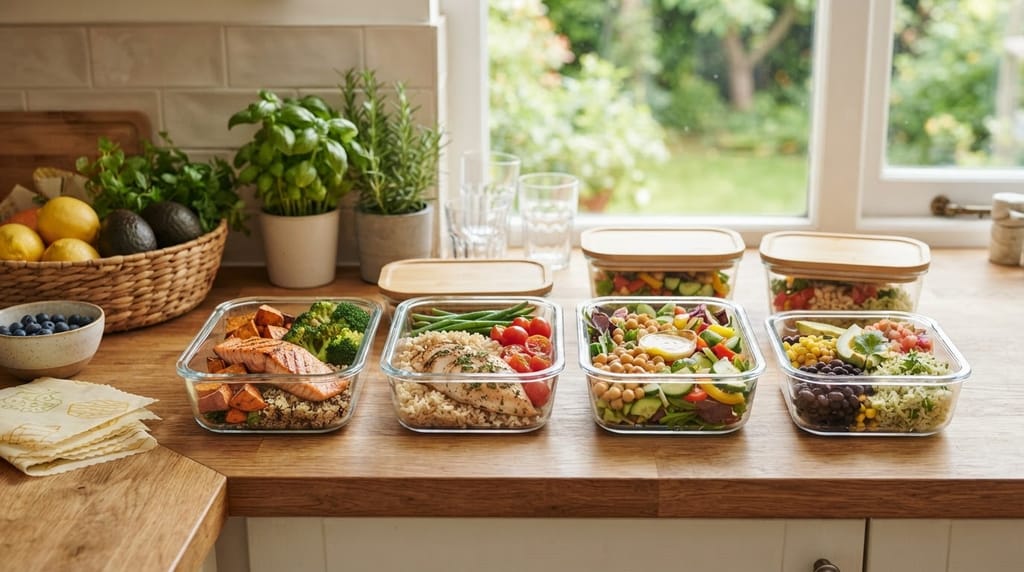
People who keep weight off for years share simple habits: they track, weigh in weekly, eat protein, walk daily, sleep well and plan ahead. There is no secret trick.
Losing weight is not the hard part
Many people can lose weight for a few weeks. The harder challenge is keeping it off. Studies suggest that a large share of people who lose weight regain much of it within a few years. That is not a personal failure. Diets that are too strict, too short or too far from real life are hard to continue, and when the diet ends, old habits return.
The good news is that there is a group of people who prove it can be done. The National Weight Control Registry in the United States follows thousands of adults who have lost at least 13.6 kilograms (30 pounds) and kept it off for more than a year. On average, members lost about 30 kilograms and kept it off for around five years. Researchers studied what they have in common, and the answers are surprisingly ordinary. In the words of one summary by Wing and Phelan, the most common habits were these:
- About 78 percent ate breakfast every day.
- About 75 percent weighed themselves at least once a week.
- About 62 percent watched fewer than 10 hours of television a week.
- About 90 percent exercised for around an hour a day, most commonly by walking.
No special pills, no magic foods. Here are twelve habits, based on that research and wider studies, that you can build into your own life.
1. Weigh yourself regularly, and read the trend
Weighing at least weekly helps you catch small increases before they become large ones. The key is to look at the trend, not a single number. Weight can change by one or two kilograms in a day because of water, salt, food volume and hormones. Weigh at the same time, under the same conditions, and compare weekly averages. Read how often should you weigh yourself to lose weight and how to track weight loss progress beyond the scale.
2. Track what you eat, at least some of the time
Studies consistently show that people who monitor their food intake lose more weight and keep more of it off. You do not need to track forever, but tracking for a few weeks teaches you portion sizes, hidden calories and your own patterns. Then do a refresher week now and then. See how to track calories accurately.
3. Eat protein and fibre at every meal
Protein and fibre are the two nutrients that keep you full. Build meals around lean protein, vegetables, legumes and whole grains. Aim for 1.6 to 2.2 grams of protein per kilogram of body weight. See high protein diet for weight loss and the role of fibre in a healthy diet.
4. Plan and prepare your meals
Most overeating happens when you are hungry with no plan. Decide what you will eat for the next two or three days, shop for it, and cook a batch of protein and vegetables. A prepared meal beats a delivery order. Read meal prep for busy athletes and building a grocery list that matches your goals.
5. Walk every day
Walking is the most common exercise among people who keep weight off. It burns calories, reduces stress and does not raise appetite the way very hard workouts sometimes do. Aim for 7,000 to 10,000 steps. Read how many steps a day to lose weight.
6. Lift weights two or three times a week
Strength training keeps muscle while you lose fat, protects your metabolism and shapes your body. People who keep muscle find it easier to maintain. See how to boost your metabolism.
7. Keep your routine consistent, including weekends
Researchers found that people who eat in a similar way on weekdays and weekends, holidays included, have a lower risk of regaining. A strict week and a free weekend can cancel the deficit. You can have a treat, but keep the structure the same. Read how to stay consistent with your diet long term.
8. Sleep seven to nine hours
Short sleep increases hunger hormones, cravings and late night snacking, and it lowers motivation to exercise. Treat sleep as part of your weight plan. Read how sleep affects weight loss and muscle growth.
9. Learn to manage stress and emotional eating
Stress, boredom and sadness drive a lot of eating that has nothing to do with hunger. Learn your triggers and prepare other responses: a walk, a call, a hot drink, a short breathing exercise. Read understanding emotional eating and understanding food cravings vs real hunger.
10. Watch liquid calories
Juice, sweet coffee drinks, soft drinks and sweet tea can add hundreds of calories without filling you up. Water, unsweetened tea and black coffee are better defaults. A glass of water before a meal may also help you eat a little less.
11. Build support around you
People who have a partner, family or friend supporting them do better. Tell someone your plan, share your meals, and find a community. When you eat with others, choose your battles. Read social eating and staying on track with friends and family and eating out without derailing your goals.
12. Be flexible, not perfect
People who keep weight off do not eat perfectly. They have an 80 percent rule: most meals follow the plan, and some are for enjoyment. When they slip, they return to the plan at the next meal, not on Monday. Rigid rules often lead to a cycle of strict dieting and bingeing. Read building a long term relationship with food and building sustainable eating habits.
Quick meals that fit these habits
Examples from the Sports Kitchen with full nutrition information:
- Tuna and vegetable salad, only 220 calories with 28 grams of protein.
- Turkey meatballs with roasted zucchini, about 555 calories and 51 grams of protein, easy to batch cook.
What about holidays, Eid and Ramadan?
Special occasions are not the enemy, but they are where plans often collapse. Decide in advance how you will handle them. Eat a protein rich meal before a big feast, enjoy one or two favourite dishes slowly, and keep your walking habit. If you gain a kilogram or two after a holiday, it is mostly water and food volume, so return to your plan without punishment. See nutrition considerations during Ramadan fasting for athletes and how to adjust your diet when traveling.
Your maintenance plan
Once you reach your goal weight, do not simply stop. Move from a deficit to maintenance by adding 100 to 200 calories every week or two, watching your trend. Your maintenance calories will usually be lower than before you lost weight, because you are smaller. Find them with how to calculate your daily calorie needs and keep weighing weekly. Set a range, such as two kilograms, and take action if you move above the top of it.
Frequently asked questions
Is there a single most important habit? The best predictor is consistency. Pick the habits you can sustain, not the most extreme.
Do I have to exercise to keep the weight off? Daily movement strongly predicts maintenance. You do not need a gym, but you need regular activity.
What if I have regained weight before? It is common and fixable. Treat it as information about what did not work, then adjust.
How long does it take to build a habit? It varies, often a few weeks to a few months. Start small and add one habit at a time.
Should I avoid all treats? No. Build treats into your plan so they do not feel forbidden.
This article is general information and not medical advice. If you have a medical condition or a history of eating disorders, speak with your doctor or a registered dietitian.
How FiTPLATE helps you build these habits
Habits stick when they are easy. FiTPLATE is built around them.
- Weekly weigh ins and a clear trend. Log your weight and watch the chart, with a weekly suggestion to adjust your targets only when needed.
- A daily log with streaks and totals. Search, scan barcodes or use quick add to track in seconds.
- Meal planning and shopping lists. Plan your week once, and let FiTPLATE build your shopping list.
- Meals from what you have. Take a photo of your fridge and get a meal that fits your target, or browse hundreds of recipes in the Sports Kitchen.
- Meal reminders. Set reminder times so you eat on schedule.
- A community where you can share your progress with others.
Start your free trial and build habits that last
References
- Wing RR, Phelan S. Long term weight loss maintenance. American Journal of Clinical Nutrition, 2005.
- Burke LE, Wang J, Sevick MA. Self monitoring in weight loss: a systematic review of the literature. Journal of the American Dietetic Association, 2011.
- Gorin AA et al. Promoting long term weight control: does dieting consistency matter? International Journal of Obesity, 2004.