Vegan Diet for Weight Loss and Muscle: A Complete Guide
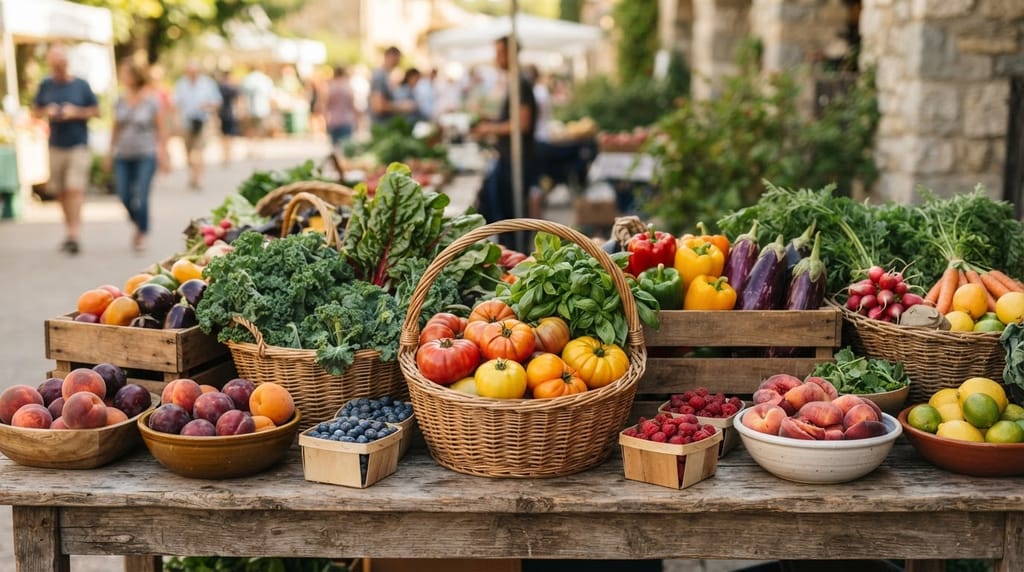
A well planned vegan diet can help you lose weight and build muscle. You need enough protein, a vitamin B12 supplement and attention to iron, calcium, iodine and omega 3.
What is a vegan diet?
A vegan diet contains no animal products at all: no meat, fish, eggs, dairy or honey. Everything comes from plants, including vegetables, fruit, legumes, grains, nuts, seeds and soy foods. People choose it for health, ethics, the environment or religion. A vegan diet is different from a vegetarian one, which usually still allows eggs and dairy.
A vegan diet can be very healthy, or very unhealthy. Chips, sweets and soft drinks are all technically vegan. What matters for your results is the quality of the foods you choose and the calories you eat.
Can a vegan diet help you lose weight?
For many people, yes. A meta analysis of randomised trials by Huang and colleagues found that people assigned to vegetarian diets lost about 2 kilograms more than those assigned to non vegetarian diets, and vegan diets showed the largest effect. There are a few reasons:
- High fibre. Beans, lentils, vegetables, fruit and whole grains fill you up for fewer calories.
- Lower calorie density. Plant foods tend to contain fewer calories per gram. Read understanding caloric density.
- Less saturated fat and processed meat.
- More volume. You can eat large, satisfying plates.
But weight loss still comes down to a calorie deficit. Nuts, oils, tahini, avocado, vegan cheese, sweets and fried foods are all calorie rich. To lose weight, you must track your intake like any other diet. Read how many calories should I eat to lose weight.
Can you build muscle on a vegan diet?
Yes. Muscle grows in response to training and enough protein and calories, not because protein comes from animals. A well known 12 week study by Hevia Larraín and colleagues compared vegans and meat eaters who both lifted weights and ate about 1.6 grams of protein per kilogram of body weight, with the vegans using soy protein. Both groups gained similar amounts of muscle and strength.
The main differences to consider are:
- Digestibility. Some plant proteins are slightly less digestible, so aim for the higher end of the range, about 1.8 to 2.2 grams per kilogram.
- Amino acid profile. Individual plant proteins are lower in some amino acids, such as lysine in grains or methionine in legumes. Eating a variety through the day fixes this easily.
- Leucine. Soy, pea, lentils and seitan are better sources.
If you do not reach your target with food alone, a soy or pea protein powder helps. Read whey vs plant based protein powder and vegetarian and vegan athlete nutrition.
Best vegan protein sources
These approximate values refer to cooked weight.
- Seitan (wheat gluten): about 20 to 25 grams of protein per 100 grams.
- Tempeh: about 19 to 20 grams per 100 grams.
- Tofu: about 8 to 15 grams per 100 grams, depending on firmness.
- Edamame: about 11 grams per 100 grams.
- Lentils: about 9 grams per 100 grams.
- Chickpeas and beans: about 8 to 9 grams per 100 grams.
- Soy milk: about 3 grams per 100 millilitres.
- Pea protein powder: about 20 to 25 grams per scoop.
- Peanuts and peanut butter: about 25 grams per 100 grams, but calorie dense.
Local favourites such as foul medames, hummus, falafel, mujaddara and lentil soup are naturally vegan and make good protein bases. For a longer list, see high protein foods and how much they contain.
The nutrients you must plan for
A vegan diet can supply nearly everything, but a few nutrients need attention. Talk to your doctor or dietitian about testing and supplements.
Vitamin B12
B12 is not reliably found in plant foods. Every vegan needs a B12 supplement or reliably fortified foods. A common recommendation is 10 micrograms daily or 2,000 micrograms once a week, but confirm the dose with your doctor. Skipping B12 can cause anaemia and nerve damage over time.
Iron
Plant iron is absorbed less well than iron from meat. Eat lentils, beans, tofu, pumpkin seeds, spinach and fortified cereals, and pair them with vitamin C foods like peppers, tomatoes or lemon juice. Avoid drinking tea or coffee with iron rich meals.
Calcium
Choose calcium fortified plant milks, calcium set tofu, tahini, almonds, and greens such as kale and broccoli. Spinach is high in calcium but poorly absorbed.
Iodine
Plant foods vary in iodine. Use iodised salt, or a supplement if you do not eat seaweed or iodised foods. Do not overdo seaweed, since it can contain very large amounts.
Vitamin D
Sunlight helps, but many people in northern climates or covered clothing need a supplement. Choose vitamin D2 or a vegan D3.
Omega 3 fats
Flax, chia, hemp and walnuts supply ALA, which the body converts poorly into EPA and DHA. An algae oil supplement provides these directly.
Zinc, selenium and choline
Include pumpkin seeds, legumes, whole grains, nuts and soy foods. One or two Brazil nuts a day provide selenium. Read micronutrients 101.
A sample vegan day (about 1,800 calories, 100 grams of protein)
- Breakfast: tofu scramble with vegetables and whole grain toast.
- Lunch: lentil and quinoa bowl with salad, tahini dressing and chickpeas.
- Snack: soy yogurt with berries, plus a small handful of nuts.
- Dinner: tempeh or tofu stir fry with vegetables and rice.
- Optional: a pea protein shake to fill the gap.
Here are some plant based dishes from the Sports Kitchen to try, each with complete nutrition:
- Vegan tofu scramble with vegetables, about 290 calories and 18 grams of protein.
- Lebanese spinach and chickpea stew, about 800 calories and 30 grams of protein.
- Pan seared tofu with sauteed quinoa and carrot, about 724 calories and 45 grams of protein.
Some recipes use dairy or eggs. Check each recipe's ingredients and choose a plant based swap where needed.
How to lose weight on a vegan diet step by step
- Calculate your calories. Use how to calculate your daily calorie needs and subtract 300 to 500.
- Set your protein target. About 1.8 to 2.2 grams per kilogram if you train.
- Build meals around legumes, tofu or tempeh.
- Fill half your plate with vegetables.
- Measure oils, nuts and tahini. A tablespoon of oil is about 120 calories.
- Limit vegan junk food. Cookies, chips and plant based desserts are still calories.
- Include whole grains and fruit for fibre and energy. See the role of fibre in a healthy diet.
- Take your supplements. B12 at least.
Common vegan mistakes
- Not enough protein. Salad and rice is not a full meal.
- Forgetting B12. This is the one non negotiable supplement.
- Over relying on processed vegan food. Burgers, nuggets and bars are convenient but often high in salt and fat.
- Too much fibre too quickly. Increase beans and vegetables gradually and drink water.
- Not eating enough. Low calorie density makes it easy to under eat, which can cost muscle.
- Not tracking. Without tracking, calories hide in oils and nuts. See how to track calories accurately.
Is a vegan diet safe for everyone?
Healthy adults can do well on a planned vegan diet. Pregnant and breastfeeding women, children and teenagers, older adults and people with medical conditions need professional guidance to meet their needs. Consult a registered dietitian if you are unsure.
Eating out and on a budget
Vegan eating is often cheap. Dried beans, lentils, rice, oats, seasonal vegetables and frozen vegetables cost less than meat. Read budget friendly sports nutrition. When eating out, ask about hidden ingredients like ghee, cream, eggs or chicken stock.
Frequently asked questions
Can I go vegan for just a few days a week? Yes. Even a few plant based days help, and there is no need to be perfect.
Do vegans need protein powder? Not always. It helps if you struggle to reach your protein target.
Will I lose muscle on a vegan diet? No, if you eat enough protein and calories and keep lifting.
Is soy safe? Yes. Moderate soy foods are safe for most people and a useful protein source.
What about gas and bloating? It usually settles after a few weeks. Soak and cook beans well and increase them slowly.
This article is general information and not medical advice. If you have a medical condition, are pregnant or take medicine, speak with your doctor or a registered dietitian.
How FiTPLATE supports a plant based plan
Planning a vegan diet is easier when the numbers are visible.
- Your calories and protein, calculated. FiTPLATE works out your daily targets from your own body and goal.
- A daily log with protein and fibre in view. Search foods, scan barcodes or use quick add so you can see if your protein is on track.
- Meals from what is in your kitchen. Take a photo, set your protein goal and let FiTPLATE build a meal, or browse plant based dishes in the Sports Kitchen.
- Weekly planning and a shopping list for legumes, tofu and fresh produce.
- Food preferences. Set your dietary preferences and allergies so recommendations fit you.
Start your free trial and plan your plant based week
References
- Huang RY et al. Vegetarian diets and weight reduction: a meta analysis of randomized controlled trials. Journal of General Internal Medicine, 2016.
- Hevia Larraín V et al. High protein plant based diet versus a protein matched omnivorous diet to support resistance training adaptations: a comparison between habitual vegans and omnivores. Sports Medicine, 2021.
- Melina V, Craig W, Levin S. Position of the Academy of Nutrition and Dietetics: vegetarian diets. Journal of the Academy of Nutrition and Dietetics, 2016.