Understanding Caloric Density
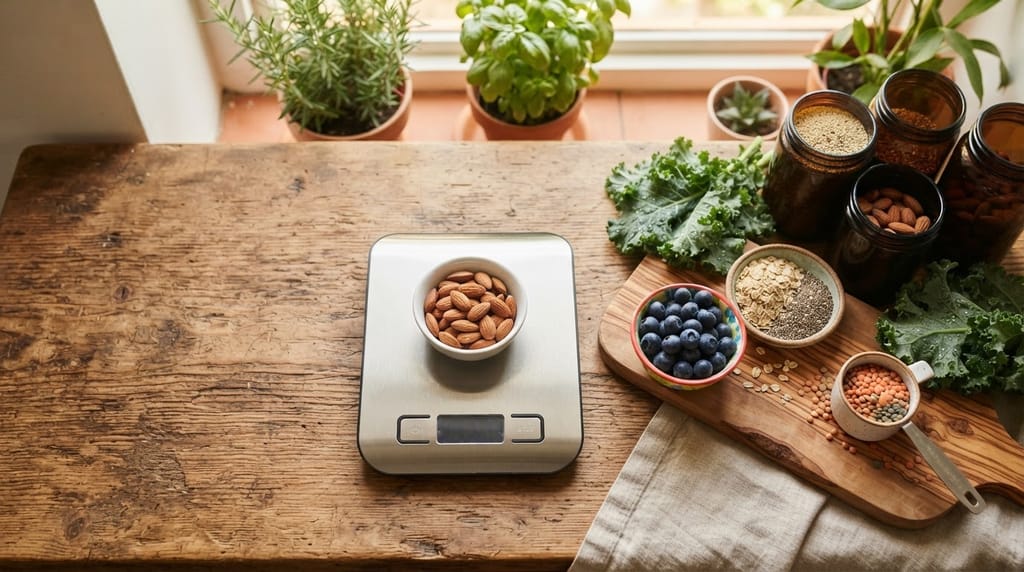
What Is Caloric Density?
Caloric density refers to the amount of calories in a given weight of food, usually expressed as calories per 100 grams. Foods with low caloric density contain relatively few calories for their weight (such as fresh vegetables and fruits), while foods with high caloric density pack a lot of calories into a small weight (such as nuts, oils, and processed sweets).
This concept differs from "nutritional value." Some high-caloric-density foods, like olive oil or nuts, are rich in beneficial nutrients, while others, like sugary sodas, provide mostly "empty" calories with little nutritional benefit.
Why Does Caloric Density Matter?
Feelings of fullness depend heavily on the volume of food and its water and fiber content, not just on calorie count. Nutrition research shows that foods with low caloric density, such as leafy greens, soups, and fruits, tend to promote satiety with fewer calories consumed, thanks to their high water and fiber content, which increases meal volume without significantly increasing calories.
This principle is often used in weight-management strategies, allowing people aiming to reduce calorie intake to feel satisfied without deprivation by focusing on foods that are low in caloric density but rich in nutrients.
Practical Examples of Caloric Density
- Low density: cucumbers, tomatoes, lettuce, watermelon, vegetable-based soups.
- Moderate density: lean meats, fish, legumes, cooked rice.
- High density: nuts, olive oil, cheese, chocolate, fried foods, fast food.
It's worth noting that high-caloric-density foods aren't inherently "bad." They can be essential for meeting energy needs in athletes or people who need to increase caloric intake, while low-density foods are more suited to calorie-reduction goals.
How to Apply This Concept in Your Diet
The concept of caloric density can be incorporated into daily life in simple ways:
- Adding vegetables to main dishes to increase volume without significantly raising calories.
- Choosing fresh fruit over concentrated juices or dried fruit.
- Paying attention to portion sizes when eating high-density foods like nuts and oils—they're beneficial but easy to overconsume.
- Avoiding the assumption that all high-density foods are unhealthy; instead, evaluating their overall nutritional value.
Important Note
This content is general educational information and does not replace consultation with a registered dietitian or physician, especially for those with specific health conditions or special dietary needs. Individual calorie and nutrient requirements vary based on age, physical activity, and health status, so personalized guidance under professional supervision is recommended when needed.