Keto Diet for Beginners: Food List, Sample Day and Risks
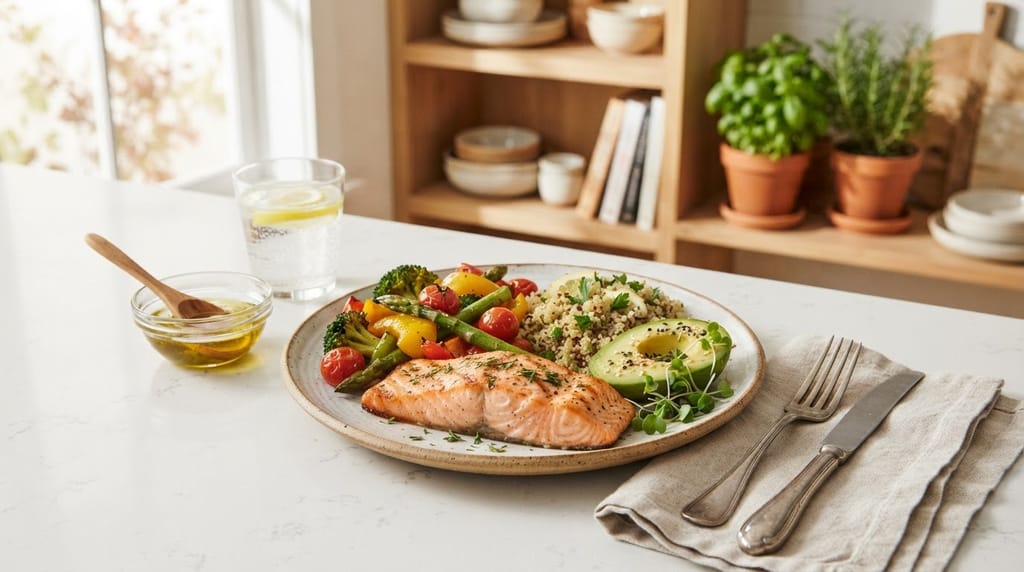
The keto diet limits carbs to roughly 20 to 50 grams a day so your body burns fat for fuel. It can work for weight loss, but it is not for everyone.
What is the keto diet?
The ketogenic, or keto, diet is a very low carbohydrate, high fat eating pattern. A typical keto plan gets about 70 to 75 percent of calories from fat, 20 to 25 percent from protein and only 5 to 10 percent from carbohydrate. In grams, that usually means 20 to 50 grams of carbohydrate a day. For comparison, a single slice of bread has about 15 grams, and one Medjool date has about 16 to 18 grams.
Normally your body runs mainly on glucose from carbohydrate. When carbohydrate becomes very scarce, the liver turns fat into molecules called ketones, and the brain and muscles use them as fuel. This metabolic state is called ketosis. It generally takes two to four days of strict low carb eating to get there, and sometimes up to a week.
A short history
The keto diet did not start as a weight loss plan. Doctors began using it in the 1920s as a treatment for epilepsy in children, because fasting was known to reduce seizures and a high fat diet imitates some effects of fasting. It is still used medically, under supervision, for certain types of epilepsy. Its popularity for weight loss came much later.
Does keto work for weight loss?
Research gives a fair but nuanced answer.
- In the short term, yes. Many studies show that people on very low carbohydrate diets lose more weight in the first three to six months than those on low fat diets. Part of this early loss is water, since lower carbohydrate stores mean less water held in the body.
- Appetite often drops. Ketones, higher protein and fat intake can make you feel full, so many people eat less without counting.
- In the long term, the advantage shrinks. A meta analysis by Bueno and colleagues found that after a year, very low carbohydrate diets produced only a small extra weight loss, around one kilogram, compared with low fat diets. Other studies find no long term difference between diets once calories are equal.
The key point is that keto works mostly because it helps people eat fewer calories. What matters most is the diet you can follow for months and years. If you want to compare approaches, read the Mediterranean diet for beginners and how many calories should I eat to lose weight.
Keto food list
Foods to eat
- Meat and poultry: beef, lamb, chicken (thighs are fattier), turkey.
- Fish and seafood: salmon, sardines, mackerel, tuna, shrimp.
- Eggs: one of the most useful keto foods.
- Dairy: cheese, butter, ghee, cream and small amounts of full fat Greek yogurt.
- Healthy fats: olive oil, avocado, avocado oil, olives and coconut oil.
- Nuts and seeds: almonds, walnuts, macadamia nuts, chia and flaxseed, in controlled portions.
- Low carb vegetables: spinach, lettuce, cucumber, zucchini, cauliflower, broccoli, asparagus, mushrooms and cabbage.
- Berries in small amounts: a handful of strawberries or raspberries.
Foods to avoid
- Bread, pasta, rice, couscous, bulgur and most breakfast cereals.
- Potatoes, sweet potatoes and corn.
- Sugar, sweets, desserts, soft drinks and juices.
- Most fruit, including bananas, mangoes, grapes and dates.
- Beans, lentils and chickpeas, which are high in carbohydrate.
- Beer and sweet drinks.
- Low fat "diet" products with added sugar.
If your usual meals centre on rice, bread or dates, keto will mean a big change. Prepare your kitchen before day one.
A sample keto day
This is a simple example, not a prescription. Portions depend on your calorie target.
- Breakfast: two or three eggs with avocado and sliced cucumber, cooked in olive oil or butter.
- Lunch: grilled chicken thighs with a large salad and olive oil dressing.
- Snack: a small handful of almonds or olives, or a piece of cheese.
- Dinner: salmon with asparagus and butter.
You can find similar low carb dishes in the Sports Kitchen. Each shows its carbs so you can check the numbers:
- Grilled salmon with asparagus and butter, about 9 grams of carbs.
- Poached eggs with smoked salmon and avocado, about 11 grams of carbs.
- Steak with garlic butter mushrooms, about 9 grams of carbs.
- Grilled chicken thighs with cauliflower rice, about 13 grams of carbs.
The keto flu and other side effects
In the first one to two weeks, many people feel tired, dizzy, headachy, irritable or foggy. This is often called the keto flu. It is mostly caused by water and mineral loss as your body adapts, not by a virus. To reduce it:
- Drink enough water.
- Add salt to your food or sip broth, since sodium is lost quickly. If you have high blood pressure or kidney disease, ask your doctor first.
- Eat potassium and magnesium rich low carb foods such as spinach, avocado and nuts.
- Do not start extreme exercise in the first week.
Other possible effects include:
- Constipation, because fibre intake often falls. Eat plenty of low carb vegetables.
- Bad breath, from acetone, a ketone. It usually fades.
- Muscle cramps, usually linked to low minerals.
- Lower performance in high intensity exercise for the first few weeks.
- Cholesterol changes. Triglycerides often fall and HDL rises, but LDL can rise in some people. Ask your doctor to check your blood lipids.
- Hair shedding, which can follow any rapid weight loss.
Who should not follow a keto diet?
Keto is not suitable for everyone. Speak to a doctor first, or avoid keto, if you:
- Have type 1 diabetes, because of the risk of ketoacidosis.
- Take diabetes medicines, especially insulin, sulfonylureas or SGLT2 inhibitors, which can need dose changes or cause dangerous reactions.
- Are pregnant or breastfeeding.
- Have pancreatic, liver, kidney or gallbladder disease.
- Have a rare disorder of fat metabolism.
- Have a history of eating disorders.
- Are under 18, unless advised by a doctor.
Common keto mistakes
- Hidden carbs. Sauces, flavoured yogurts, "low fat" foods and some supplements contain sugar. Read labels. See how to read a nutrition facts label correctly.
- Eating too many calories. Fat is calorie dense. A spoon of olive oil is 120 calories. You still need a deficit to lose weight. Learn about caloric density.
- Forgetting vegetables and fibre. Keto is not only bacon and cheese.
- Not tracking. It is easy to eat more carbs than you think. Track for at least the first month. See how to track calories accurately.
- Skipping electrolytes and water.
- Relying on processed "keto" products. Many are expensive and ultra processed.
- Quitting and returning to old habits. Plan how you will eat afterwards. Sudden return to high carbs often brings the weight back.
Is keto good for muscle gain and athletes?
Keto can work for fat loss while keeping strength, but high intensity performance often dips at first. If your training involves intense intervals, heavy volume or team sports, carbohydrates remain an important fuel. Our guide to carbs and athletic performance explains why. A moderate low carb diet is a more flexible choice for many athletes.
How to start keto step by step
- Check with your doctor if you have a medical condition.
- Set a daily carbohydrate limit, usually 20 to 30 grams for the first weeks.
- Clear your kitchen of high carb foods and stock keto staples.
- Plan meals for the first week.
- Track your food. Count grams of carbs, protein and fat.
- Drink water, add salt and eat vegetables.
- Review after four weeks. If it feels sustainable, continue. If not, move to a moderate low carb diet.
Frequently asked questions
How fast can I lose weight on keto? Many people lose 2 to 4 kilograms in the first two weeks, mostly water. After that, a steady rate is 0.5 to 1 kilogram a week.
Can I drink coffee on keto? Yes. Black coffee has almost no calories. Be careful with sweeteners, syrups and sugar.
How do I know if I am in ketosis? Blood ketone meters are the most accurate. Urine strips are cheap but less reliable over time. Symptoms alone are not proof.
Can I cheat for one day? A high carb day will take you out of ketosis, and it can take days to return. Some people follow a more flexible low carb diet instead.
Is keto safe long term? Long term safety data are limited. Many experts suggest cycling to less strict low carb eating after several months.
This article is general information and not medical advice. Speak with your doctor or a registered dietitian before starting a ketogenic diet, especially if you have a medical condition or take medicine.
How FiTPLATE helps you follow a low carb plan
Success on keto depends on counting carbs accurately. FiTPLATE makes that easy.
- A keto or low carb diet type. In the plan setup you can choose Keto or Low carb as your diet type, and FiTPLATE adjusts your macro split.
- A daily log that shows carbs. Search foods, scan barcodes or use quick add and watch your carb total.
- Meals from what you have. Take a photo of your fridge, set a carb limit and ask FiTPLATE to build a meal that fits.
- Hundreds of recipes with full nutrition. Browse the Sports Kitchen for low carb dishes.
- A weekly plan and shopping list to keep your kitchen stocked.
Start your free trial and build your low carb plan
References
- Bueno NB et al. Very low carbohydrate ketogenic diet v. low fat diet for long term weight loss: a meta analysis of randomised controlled trials. British Journal of Nutrition, 2013.
- Dowis K, Banga S. The potential health benefits of the ketogenic diet: a narrative review. Nutrients, 2021.
- Kossoff EH et al. Optimal clinical management of children receiving dietary therapies for epilepsy: updated recommendations of the International Ketogenic Diet Study Group. Epilepsia Open, 2018.