Why Whole Foods Beat Processed Foods for Most Athletes
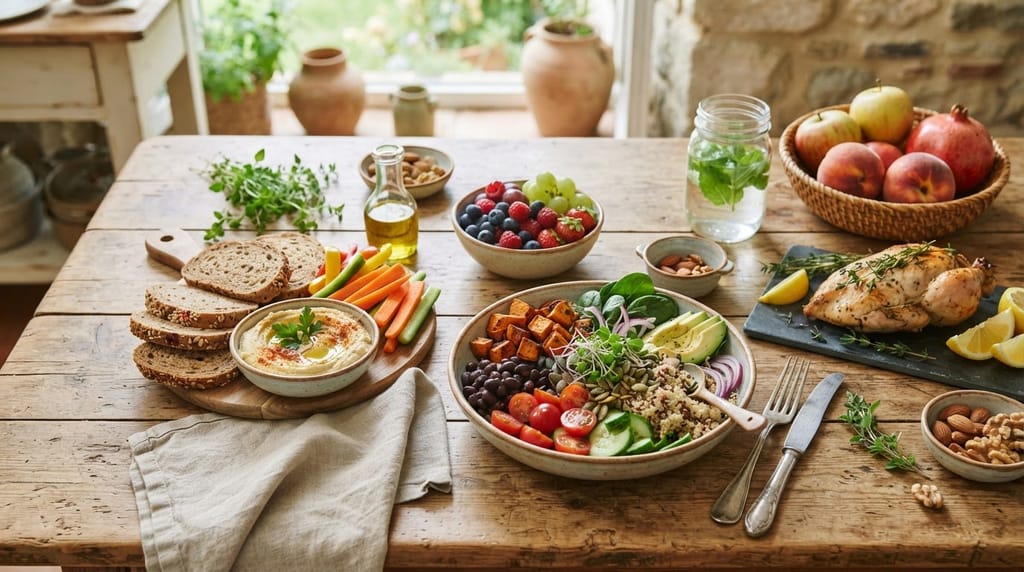
"Processed" isn't automatically a dirty word — freezing vegetables, canning beans, and pasteurizing milk are all processing steps that make food safer and more accessible without much nutritional cost. The real distinction that matters is between minimally processed food and heavily processed food engineered for taste and shelf life at the expense of nutrient density.
Whole and minimally processed foods (fruits, vegetables, plain grains, lean proteins) tend to come packaged with fiber, water, and micronutrients that are often stripped out or diluted in heavily processed alternatives. For athletes specifically, this matters because those same foods tend to be more filling per calorie, easier to build a target-hitting meal around, and richer in the micronutrients that support training and recovery.
None of this means processed convenience foods have no place — a protein bar before a long session or a canned-bean-based meal on a busy night can be a genuinely good practical choice. The goal is simply for whole foods to make up the majority of a typical week, not every single meal.