The Basics of a Balanced Plate
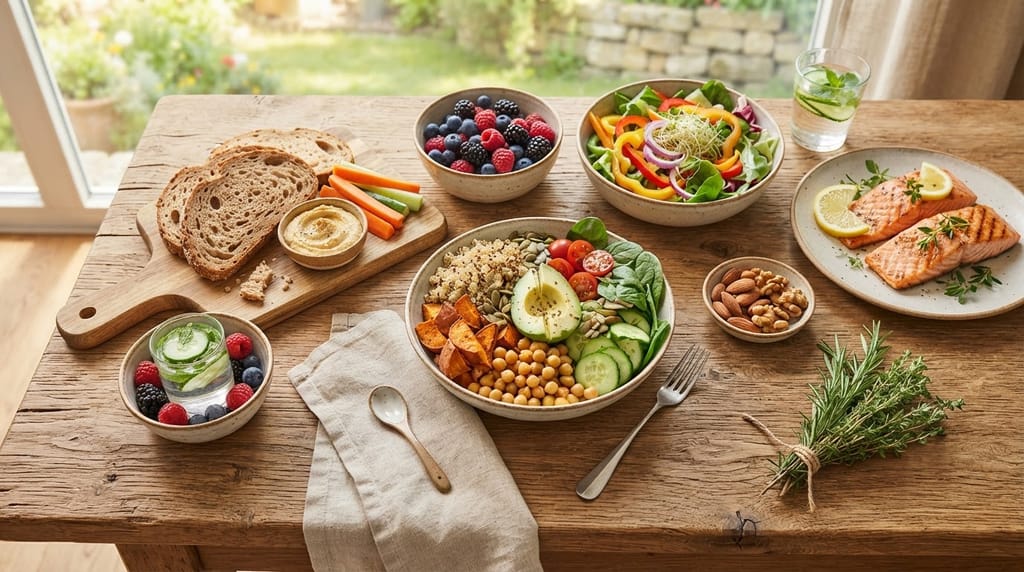
What Is a Balanced Plate?
The balanced plate is a simple, practical way to think about your daily meals without needing to count calories or macros precisely every time. The idea is based on visually dividing your plate into major food groups in reasonable proportions, so you get enough variety of the nutrients your body needs for energy, recovery, and long-term health. This concept is inspired by internationally recognized dietary guidelines such as the US "MyPlate" and the UK "Eatwell Guide," and it suits most healthy individuals, including recreational athletes.
The Core Components of the Plate
Generally, the plate can be divided into four main elements:
- Vegetables and fruits (about half the plate): A rich source of fiber, vitamins, minerals, and antioxidants, helping you feel full for fewer calories.
- Complex carbohydrates (about a quarter of the plate): Such as brown rice, oats, potatoes, or whole grain bread — the main source of energy, especially for physically active people.
- Protein (about a quarter of the plate): Such as chicken, fish, eggs, legumes, or tofu, essential for building muscle and repairing tissue.
- Healthy fats (in moderate amounts): Like olive oil, nuts, and avocado, important for absorbing certain vitamins and producing hormones.
These proportions are flexible, not a strict rule; athletes' needs, especially on intense training days, may require a higher proportion of carbohydrates to support performance and recovery.
Why Does Variety Matter?
No single food contains everything the body needs, which is why variety within each food group matters. For example, eating different colored vegetables provides a wider range of antioxidants, while alternating between animal and plant protein sources gives the body diverse amino acids and micronutrients such as iron, zinc, and omega-3 fatty acids.
Applying the Idea in Daily Life
A balanced plate doesn't require complicated meals or expensive ingredients. It can be applied by:
- Starting by filling half the plate with vegetables before adding the rest.
- Choosing whole grains over refined ones whenever possible.
- Including a protein source in every main meal to support satiety and muscle recovery.
- Not being afraid of healthy fats in moderate amounts, as they are a natural part of a balanced diet.
Important Note
This content is general educational information and is not intended to replace individual medical or dietary consultation. People with chronic health conditions, metabolic issues, or those following special treatment plans (such as diabetes or kidney disease) should consult a doctor or registered dietitian before making any significant changes to their diet.