Post-Workout Nutrition: The Recovery Window
What Happens in Your Body After Exercise?
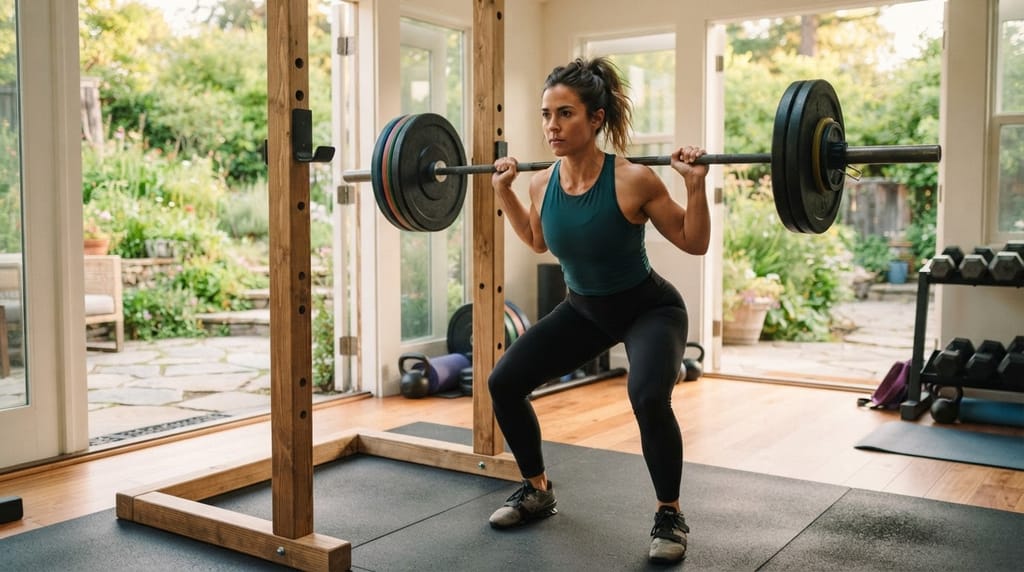
During exercise, especially demanding resistance or endurance sessions, important physiological changes occur: glycogen stores (the fuel stored in muscles and liver) become depleted, muscle fibers experience micro-tears, and muscle protein breakdown temporarily increases. Post-workout nutrition aims to support three key processes: replenishing energy stores, repairing muscle tissue, and restoring fluids and electrolytes lost through sweat.
The Myth of a Strict "Recovery Window"
A popular belief holds that there is a very narrow time window (say, 30 minutes) during which you must consume protein and carbohydrates, or the benefits of your workout will be lost. Modern sports nutrition research shows this "window" is much wider than previously thought; studies suggest that precise meal timing matters less than total daily protein and calorie intake. In other words, the priority is meeting your daily protein needs, not racing against a countdown clock. That said, eating a meal or snack within one to two hours after training remains a practical and convenient choice for most athletes, especially if there's another training session later the same day or the next day.
What Should You Eat After a Workout?
- Protein: Helps repair and build muscle tissue. Consuming roughly 20-40 grams of high-quality protein (chicken, eggs, Greek yogurt, or plant sources like lentils and tofu) supports muscle protein synthesis.
- Carbohydrates: Essential for replenishing glycogen stores, particularly after long or intense endurance sessions. Rice, fruit, oats, or sweet potatoes are good options.
- Fluids and electrolytes: Sweating causes loss of water, sodium, and potassium. Drinking water alongside a balanced meal is usually sufficient, but during long or very hot training sessions, a source with added sodium may be helpful.
Does Everyone Need the Same Thing?
Needs vary depending on the type, intensity, and duration of exercise, as well as personal goals (building muscle, endurance, weight loss). An athlete training twice a day needs more precise timing than someone doing light activity once a week. Older adults, people with chronic health conditions (such as diabetes or kidney disease), and athletes following special diets may have notably different requirements.
Practical Takeaway
Aim for a balanced meal within one to two hours after exercise that combines protein, carbohydrates, and adequate fluids—but don't worry if you're a bit delayed; what matters most is your overall daily eating pattern. This content is general education and not a substitute for consulting a doctor or sports dietitian, especially if you have a chronic health condition, take medication, or follow a fasting regimen or special diet.